
Balers can be used to process a wide range of recyclable and recoverable materials, but not every material behaves the same way under compression. Density, shape, flexibility, moisture content, and how the material is generated can all affect which baler type is best suited to the job.
From corrugated cardboard and paper to plastics, textiles, foam, and light metals, choosing the right equipment starts with understanding the material itself.
This guide looks at some of the most common materials businesses bale, the challenges they can present, and the types of baling equipment commonly used to process them.
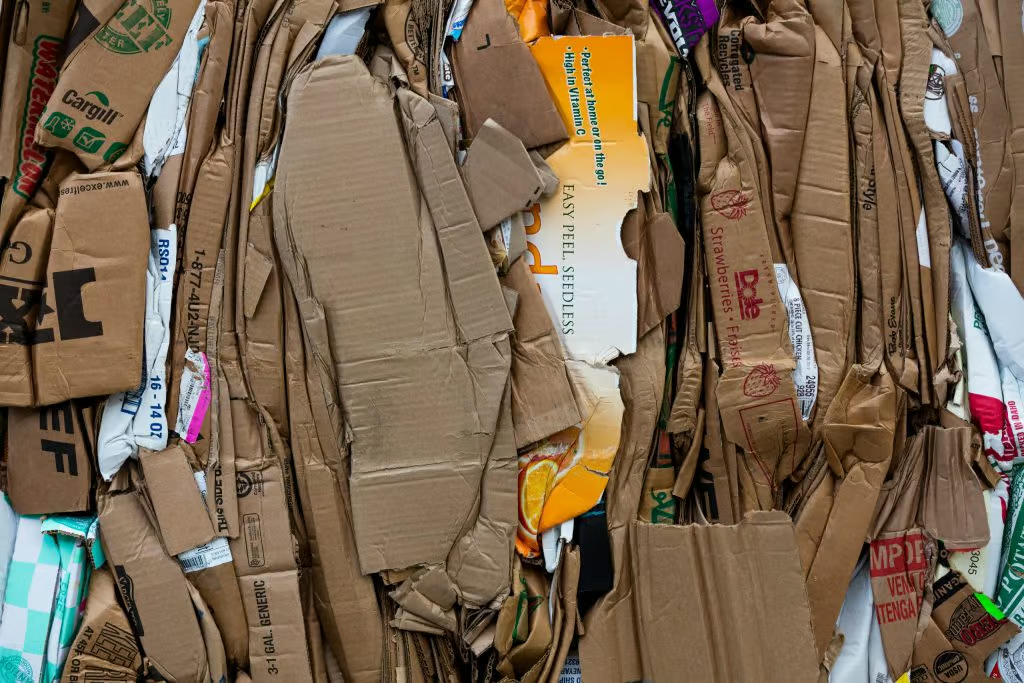
Cardboard & OCC
Corrugated cardboard, often referred to as OCC, is one of the most common materials processed by commercial and industrial balers. It is generated in large quantities by retailers, grocery stores, warehouses, distribution centres, manufacturers, and many other businesses that receive packaged goods.
Because loose cardboard takes up a significant amount of space, baling can make it much easier to store, handle, and transport.
Why Bale Cardboard?
Baling cardboard can help:
- Reduce the amount of floor and storage space required
- Keep receiving and waste areas more organized
- Reduce the number of loose cardboard loads that need to be handled
- Make material easier to move and transport
- Prepare OCC for recycling or resale
What Type of Baler Is Used for Cardboard?
The right baler depends largely on how much cardboard the operation generates.
Lower-volume businesses may be well suited to a vertical baler, particularly where space is limited and material can be loaded manually.
Higher-volume warehouses, distribution centres, manufacturers, and recycling operations may benefit from closed door horizontal balers or auto-tie balers that can process larger volumes more efficiently.
Operations generating very high volumes of OCC may also incorporate conveyors and automated feeding systems to reduce manual handling.
Paper
Paper is another common recyclable material processed by commercial and industrial balers. Offices, printers, distributors, manufacturers, retailers, and recycling facilities may all generate significant quantities of paper that need to be collected, stored, and transported efficiently.
Loose paper can be difficult to contain and can quickly take up valuable space. Baling helps consolidate the material into dense, manageable loads that are easier to handle.
Why Bale Paper?
Baling paper can help:
- Reduce storage space requirements
- Keep loose material contained
- Simplify handling and transportation
- Improve organization in recycling and production areas
- Prepare paper for downstream recycling

What Type of Baler Is Used for Paper?
The best baler depends on the type of paper being processed, the volume generated, and how the material is fed into the machine.
Smaller operations may be able to use a vertical baler for lower volumes of paper, while larger facilities may benefit from closed door horizontal balers or auto-tie balers for greater throughput and more continuous processing.
For high-volume recycling or production environments, automated feeding and tying systems can help reduce manual handling and keep material moving efficiently through the baling process.
Plastic Film & Shrink Wrap
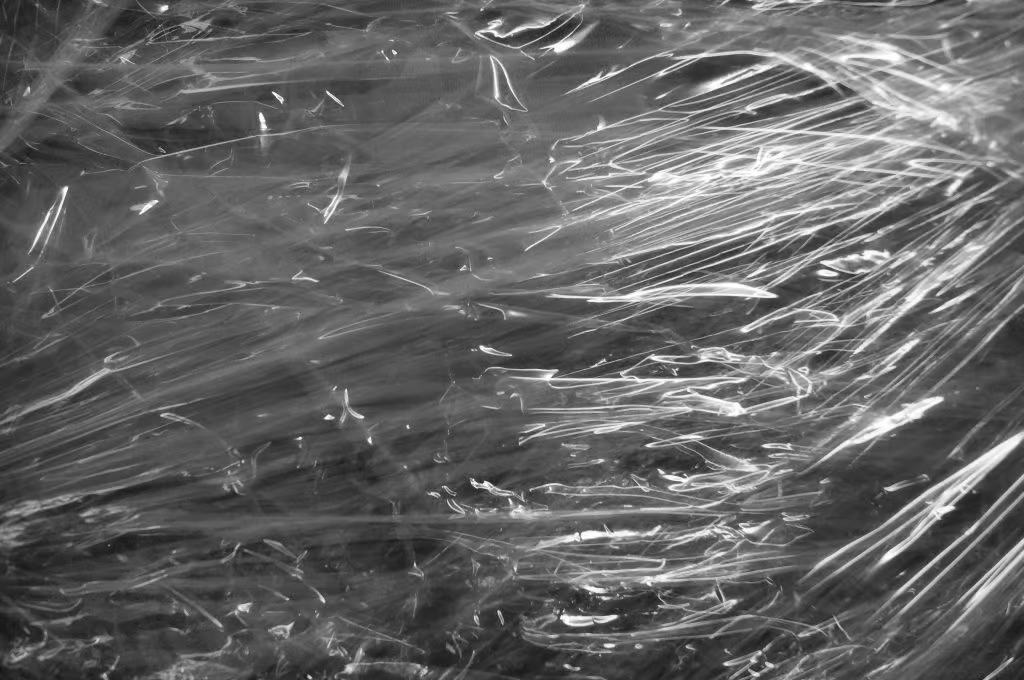
Plastic film and shrink wrap are commonly generated by warehouses, distribution centres, manufacturers, retailers, and packaging operations. While lightweight, these materials can be bulky and difficult to manage when left loose.
Baling helps compact film into more manageable loads, making it easier to store, move, and prepare for recycling.
Why Bale Plastic Film?
Baling plastic film can help:
- Reduce the space required for loose material
- Keep lightweight plastics contained
- Improve housekeeping in storage and production areas
- Simplify handling and transportation
- Prepare clean film for recycling
What Type of Baler Is Used for Plastic Film?
Plastic film can be more difficult to compress and contain than fibre-based materials because of its lightweight and flexible nature.
Smaller quantities may be handled with a vertical baler, while higher-volume warehouses, distribution centres, manufacturers, and packaging operations may benefit from closed door horizontal balers or auto-tie balers for more efficient processing.
Where plastic film is generated continuously, conveyor-fed systems and automated tying can help reduce manual handling and keep material moving through the baling process.
Rigid Plastics, PET & HDPE
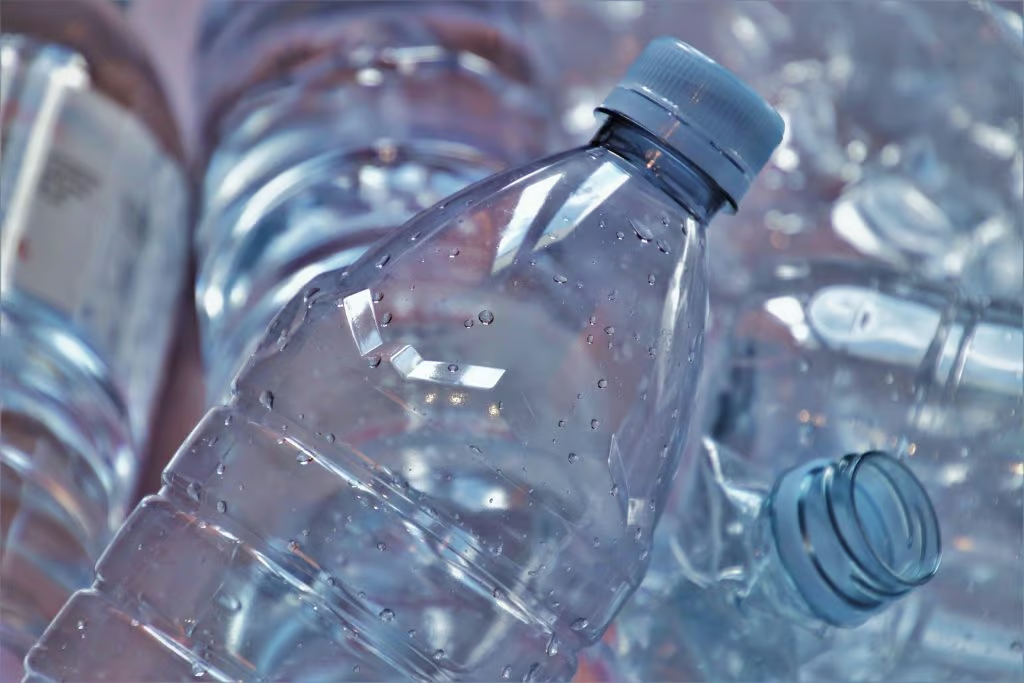
Rigid plastics such as PET and HDPE are commonly generated by manufacturers, packaging operations, recycling facilities, retailers, and distribution centres. These materials may include bottles, containers, rigid packaging, and other plastic products that take up significant space when stored loose.
Baling helps consolidate rigid plastics into denser, more manageable loads for storage, handling, and transportation.
Why Bale Rigid Plastics?
Baling rigid plastics can help:
- Reduce storage space requirements
- Keep loose containers and packaging under control
- Improve material handling
- Prepare plastics for recycling
- Make transportation more efficient
What Type of Baler Is Used for Rigid Plastics?
The right equipment depends on the size, shape, density, and volume of the plastic being processed.
Lower-volume applications may be suited to a vertical baler, while larger operations may benefit from closed door horizontal balers or auto-tie balers for greater throughput.
Facilities processing several types of plastic or other recyclable materials may also consider two-ram balers, particularly where flexibility between material streams is important.
Aluminum Cans & Light Metals
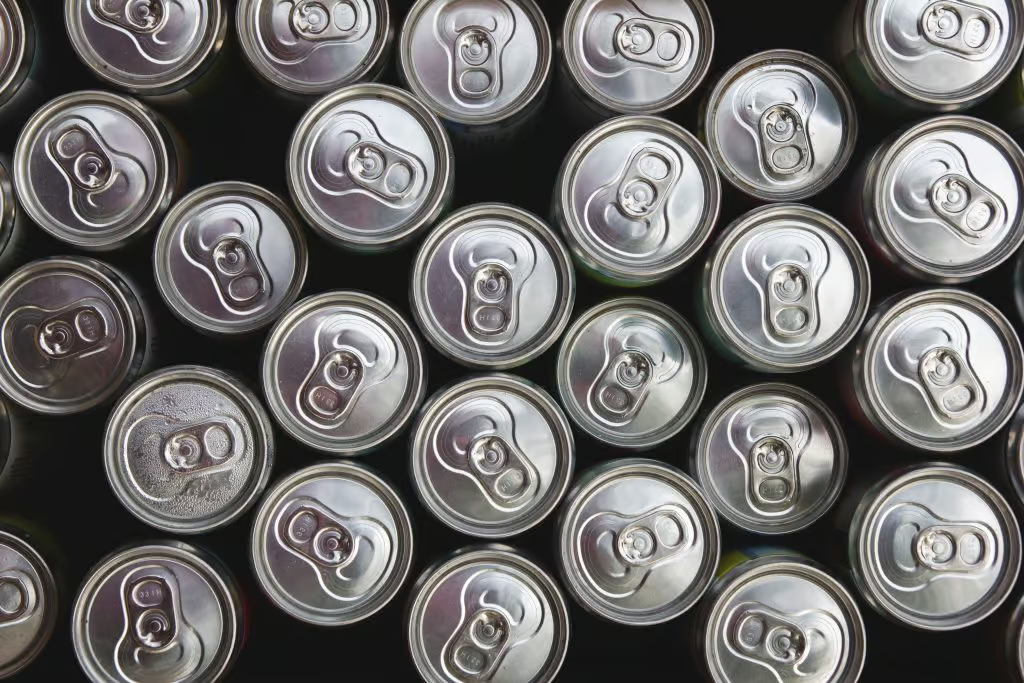
Aluminum cans and other light metal recyclables can be generated in large quantities by beverage operations, recycling facilities, manufacturers, distributors, and other commercial or industrial facilities.
Because loose cans and lightweight metal containers are bulky relative to their weight, baling can make them much easier to store, handle, and transport.
Why Bale Aluminum Cans & Light Metals?
Baling can help:
- Reduce the space required for loose cans and containers
- Improve storage and material handling
- Keep recyclable metals organized
- Create denser loads for transportation
- Prepare material for downstream recycling
What Type of Baler Is Used for Aluminum Cans & Light Metals?
The right baler depends on the type of metal, the volume being processed, and the density required in the finished bale.
Lower-volume applications may be handled with a vertical baler, while higher-volume operations may benefit from closed door horizontal balers or auto-tie balers.
Facilities processing a mix of recyclable commodities may also consider two-ram balers, particularly where material flexibility and higher throughput are important.
Textiles
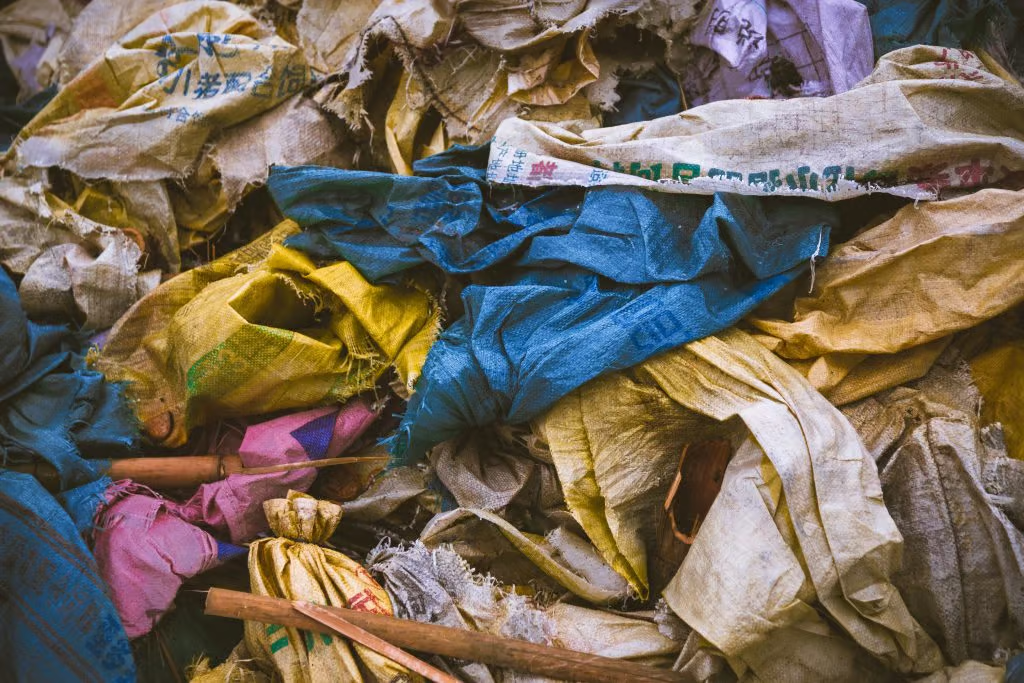
Textiles can take up considerable space when stored loose, particularly in recycling, manufacturing, distribution, and textile processing operations. Clothing, fabric offcuts, rags, and other textile materials can be compressed into dense bales that are easier to store, handle, and transport.
Why Bale Textiles?
Baling textiles can help:
- Reduce storage space requirements
- Keep loose fabric and textile materials contained
- Simplify handling and transportation
- Improve organization in processing and storage areas
- Prepare textile materials for recycling or further processing
What Type of Baler Is Used for Textiles?
Textile materials can require equipment designed to compress and contain flexible, springy materials effectively.
Baleforce’s Textile Baler Series are specifically designed for textile applications, making them a strong option for operations processing clothing, fabric, rags, and similar materials.
Depending on the application and material volume, other baler configurations may also be suitable, but textile-specific equipment can provide advantages where dense, well-contained bales are required.
Foam
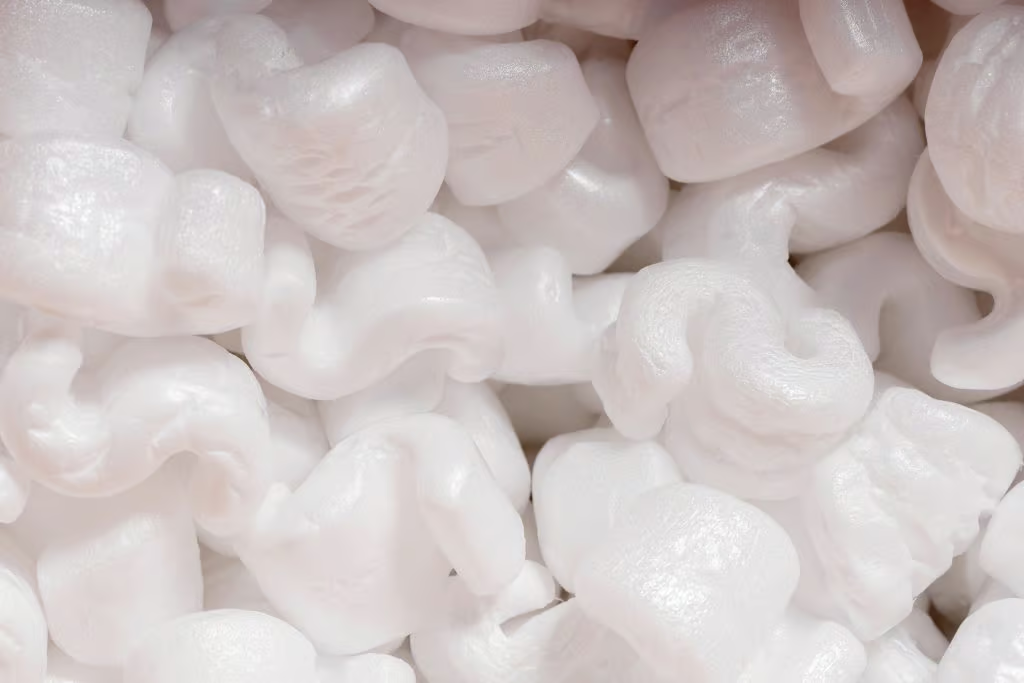
Foam materials can be difficult to store and transport efficiently because they are lightweight but take up a large amount of space. Manufacturers, packaging operations, distributors, and recycling facilities may generate significant quantities of foam that need to be consolidated before handling or shipment.
Why Bale Foam?
Baling or densifying foam can help:
- Reduce the volume of bulky material
- Free up storage and floor space
- Improve handling and transportation
- Keep loose foam contained
- Prepare material for recycling or further processing
What Equipment Is Used for Foam?
The best equipment depends on the type of foam being processed.
Baleforce offers Foam Balers for compressing bulky foam materials into more manageable bales. For expanded polystyrene, or EPS, EPS Densifiers provide a more specialized solution by significantly reducing material volume before storage or transport.
Matching the equipment to the foam type is especially important because different materials can vary considerably in density, structure, and how they respond to compression.
Packaging Waste
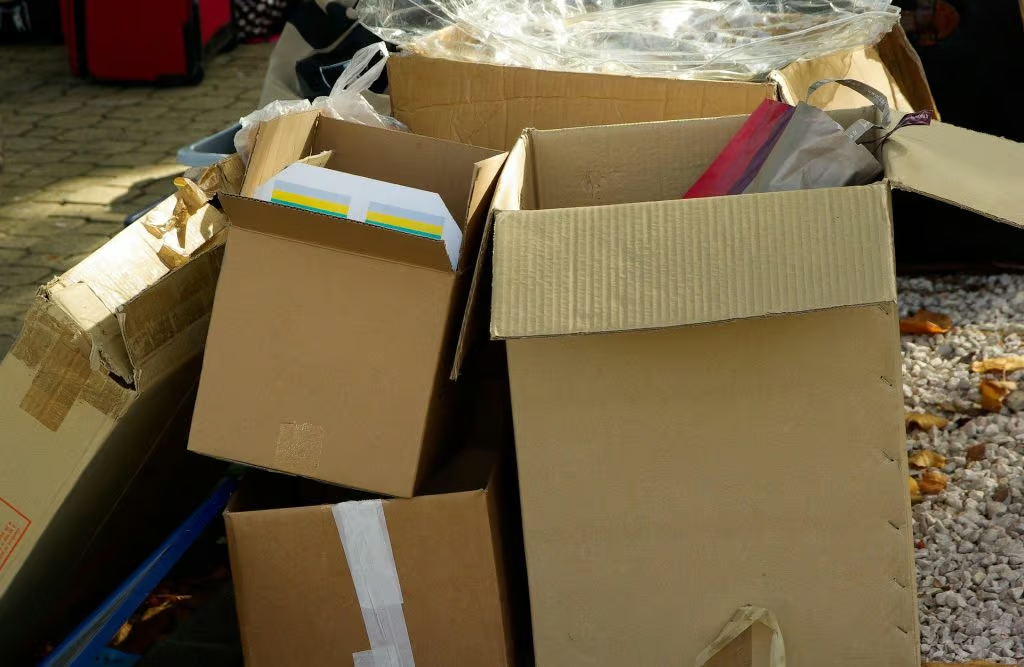
Packaging waste can include a mix of cardboard, paper, plastic film, rigid plastics, foam, and other materials generated during shipping, receiving, manufacturing, and distribution.
Because packaging streams can vary significantly from one operation to another, the right baling setup depends on both the materials involved and the volume being produced.
Why Bale Packaging Waste?
Baling packaging materials can help:
- Reduce the space required for loose waste
- Keep receiving and production areas more organized
- Separate recyclable materials more effectively
- Improve handling and transportation
- Support more efficient recycling processes
What Type of Baler Is Used for Packaging Waste?
Operations dealing primarily with cardboard or film may be well served by vertical balers, closed door horizontal balers, or auto-tie balers, depending on volume.
Facilities handling several recyclable packaging materials may also benefit from two-ram balers, especially where material flexibility and higher throughput are important.
In some cases, specialized equipment such as Foam Balers or EPS Densifiers may also be required for specific packaging materials.
How Material Type Affects Baler Selection
The material itself plays a major role in determining which baler is best suited to an operation.
Some materials compress easily, while others are more flexible, bulky, springy, or difficult to contain. These differences can affect the amount of pressure required, the size of the feed opening, the tying method, and the type of equipment needed to produce a stable bale.
Important material characteristics to consider include:
- Density – Lightweight materials may require more compression to create a manageable bale.
- Shape and size – Large or irregular materials may require a wider feed opening or different loading method.
- Flexibility – Film, textiles, and other flexible materials can behave differently from cardboard or rigid plastics during compression.
- Volume – High material volumes may require equipment with greater throughput or automated feeding.
- Material consistency – Operations processing several different recyclable materials may need more flexibility than those handling one consistent stream.
Matching the baler to the material helps improve processing efficiency and can make storage, handling, and transportation more manageable.
Can One Baler Handle Multiple Materials?
In many cases, yes. A single baler may be able to process more than one recyclable material, provided the machine is suited to the characteristics and volume of each material being handled.
For example, some operations may use the same baler for cardboard, paper, and certain plastics at different times. The key is to keep material streams separated as required and make sure the baler can produce a stable, manageable bale from each one.
Facilities processing a wider mix of materials may need equipment with greater flexibility. Two-ram balers, for example, are often used in higher-volume recycling environments where multiple recyclable commodities need to be processed efficiently.
Before using one baler for several materials, it is important to consider material density, feed requirements, bale specifications, tying needs, and how frequently the operation needs to switch between material streams.
Choosing the Right Equipment for Your Material
Material type is one of the most important factors in choosing a baler, but it’s only part of the decision.
Processing volume, available space, labour requirements, throughput, bale size, and the level of automation you need can all influence which equipment is best suited to your operation.
If you are comparing different baler types, our Choosing a Baler Guide provides a broader look at the factors to consider before selecting equipment.
Not Sure Which Baler Fits Your Material?
Baleforce can help you evaluate the materials you process, the volume you generate, and how those materials move through your facility to identify equipment suited to your application.
Whether you are baling cardboard, plastics, textiles, foam, or a combination of recyclable materials, we can help you explore the options available for your operation.
Contact Baleforce to discuss your material handling and baling requirements.